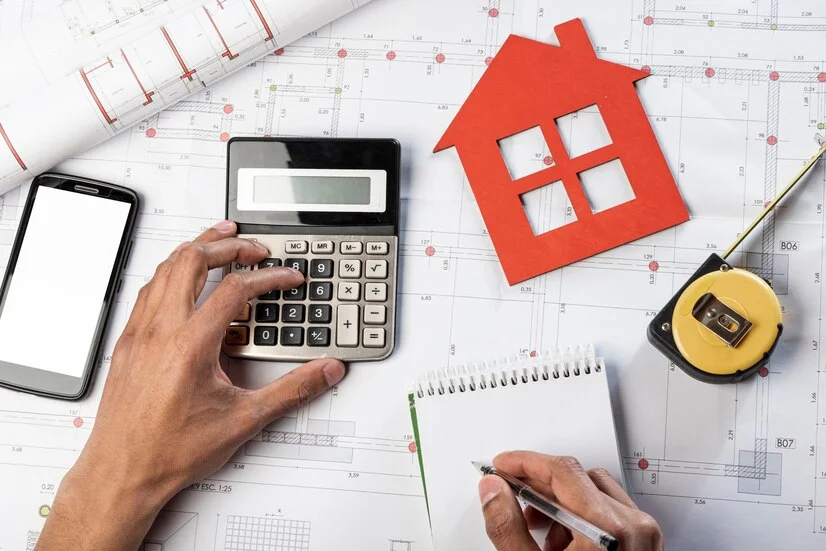
Buying a home is the biggest financial decision most Indians will ever make. And yet, millions of people delay it - either because they think they cannot afford it, or because they are afraid of taking on debt.
Here is the truth:
“A home loan, when used wisely, is one of the smartest financial tools available to you.”
It builds an asset.
It saves you tax.
It improves your credit score.
And in 2026, with interest rates becoming more competitive and government subsidies still in play, there has never been a better time to understand exactly what a home loan can do for you.
This guide covers every major benefit of taking a home loan in India - with real numbers, updated tax rules, and answers to the questions most people are too afraid to ask.
What is a Home Loan?
A home loan is a secured loan offered by banks, NBFCs, and housing finance companies to help you purchase, construct, renovate, or extend a residential property. The property itself acts as collateral. You repay the loan in monthly instalments (EMIs) over a period that can stretch up to 30 years.
Interest rates in 2026 typically range between 8.25% to 9.75% per annum, depending on the lender, your credit score, and whether the rate is fixed or floating.
Quick Overview: Key Benefits of Home Loan in India 2026
From the following table, let us check what the most important benefits of a home loan in India:
Benefit
What You Get
Asset Creation
Property that appreciates in value over time
Tax Benefit on Interest
Deduction up to ₹2 lakh per year under Section 24(b)
Tax Benefit on Principal
Deduction up to ₹1.5 lakh per year under Section 80C
Low Interest Rate
8.25% to 9.75% - far lower than personal loans
Long Repayment Tenure
Up to 30 years, keeping EMIs affordable
No Prepayment Penalty
On floating rate loans, as per RBI rules
Balance Transfer
Switch lenders for a lower rate anytime
Credit Score Boost
Regular EMI payments improve your CIBIL score
Government Subsidy
PMAY subsidy available for eligible borrowers
Inflation Hedge
Property value grows while your EMI stays fixed
Now, let us understand these key points in detail, so that you can be crystal clear on your next steps.
Benefit 1 | You Build a Real Asset - Not Just Pay Rent
This is the most fundamental benefit of a home loan, and it is often underestimated.
When you pay rent, that money is gone. Every single rupee. You get shelter for the month, and nothing else.
When you pay an EMI, a portion goes towards interest, but another portion goes towards owning the property outright. Month by month, year by year, you are building equity in an asset that is likely appreciating in value.
Consider this: Indian residential real estate has historically appreciated at 6% to 12% per year in major cities, depending on location and market conditions. A property bought for ₹60 lakh today could be worth ₹1 crore or more a decade from now.
And while the property grows in value, your EMI largely stays the same (on a fixed rate) or may even reduce (on a floating rate if rates drop). That is the power of leveraged asset creation.
Key point: A home loan turns what would have been rent - a pure expense - into a monthly investment in a growing asset.
Benefit 2 | Significant Tax Benefits - Save Lakhs Every Year
This is where a home loan becomes truly powerful from a financial planning perspective. The Indian Income Tax Act provides multiple deductions specifically for home loan borrowers.
Under the New Tax regime (which became the default from FY 2023–24), there are no deductions under Section 80C or Section 24(b) for self-occupied properties. However, if you have a let-out (rented) property, the interest paid on the home loan is still deductible from rental income under the new regime.
Practical tip: If you own a second home and rent it out, a home loan on that property gives you tax benefits even under the new tax regime - making it a smart investment strategy.
Benefit 3 | Lower Interest Rates Than Any Other Loan
Now, let us compare the interest rate of a home loan with other types of loans available:
Type of Loan
Typical Interest Rate (2026)
Home Loan
8.25% – 9.75% per annum
Car Loan
9.00% – 12.00% per annum
Personal Loan
11.00% – 24.00% per annum
Credit Card Debt
36.00% – 42.00% per annum
Gold Loan
9.00% – 16.00% per annum
A home loan is consistently the cheapest form of borrowing available to an individual in India. This is because the property itself acts as security for the bank, significantly reducing their risk.
This lower rate matters enormously over a 20-year loan tenure. Even a 1% difference in interest rate can save you ₹5 to ₹10 lakh in total interest paid over the life of a ₹50 lakh loan.
Benefit 4 | Flexible Repayment Tenure - Up to 30 Years
One of the most practical benefits of a home loan is the flexibility in the repayment period.
Most banks and NBFCs in India offer tenures ranging from 5 years to 30 years. A longer tenure means a lower EMI, making homeownership accessible even when your income is moderate.
Let us take an example: ₹50 lakh loan at 9% interest
Choosing a longer tenure reduces your monthly burden - and you can always prepay when you have surplus funds, without any penalty (on floating rate loans).
Benefit 5 | No Prepayment Penalty on Floating Rate Loans
This is a hugely underappreciated benefit.
The Reserve Bank of India (RBI) has mandated that banks cannot charge any prepayment penalty on floating rate home loans taken by individual borrowers. This rule applies to all scheduled commercial banks.
What this means in practice:
You get a bonus or a salary hike? Put the extra money towards your home loan.
You received an inheritance or sale proceeds from another asset? Prepay a lump sum.
No penalty. No extra charges. Just a reduction in your outstanding principal and future interest.
This flexibility makes a home loan very different from other long-term commitments. You are not locked in. You can aggressively pay it down whenever you have the means - and dramatically reduce the total interest you pay over the life of the loan.
Smart tip: Even one or two extra EMIs per year can reduce a 20-year loan tenure by 3 to 4 years.
Benefit 6 | Balance Transfer Facility - Always Get the Best Rate
If you took a home loan a few years ago at a higher interest rate and a competitor is now offering something significantly lower, you do not have to stay stuck.
The home loan balance transfer facility allows you to move your outstanding loan balance from your current lender to a new one - at a better interest rate.
When does it make sense? Let us understand from the table below:
Situation
Benefit
Rate difference of 0.5% or more
Significant savings on total interest
Early in the loan tenure
More interest left to save
Good repayment track record
Makes you attractive to a new lender
No foreclosure charges on floating rate
No cost to exit your current lender
Points to check before transferring
Processing fees at the new lender (typically 0.5% to 1% of the outstanding amount),
Legal and technical charges,
Whether the interest savings outweigh the switching costs
A home loan is a long-term credit commitment - and consistently paying your EMIs on time is one of the most effective ways to build a strong credit profile.
Here is why this matters:
A CIBIL score above 750 qualifies you for better interest rates on all future loans
It improves your eligibility for car loans, business loans, and credit cards
It demonstrates financial discipline to lenders
Every on-time EMI payment is a positive entry in your credit report. Over a 15 to 20 year loan, this compounds into an excellent credit history - one of the most valuable financial assets you can build.
What to avoid: Missing EMIs or defaulting on payment has the opposite effect and can severely damage your credit score. Set up auto-debit to ensure you never miss a payment.
Benefit 8 | Government Subsidies - PMAY and Affordable Housing Benefits
The Government of India's Pradhan Mantri Awas Yojana (PMAY) scheme provides interest subsidies to eligible first-time homebuyers under the Credit-Linked Subsidy Scheme (CLSS).
Who is Eligible for the ₹2.67 Lakh Subsidy?
The most commonly referenced subsidy under PMAY-Urban (for the Economically Weaker Section and Low Income Group category) works out to approximately ₹2.67 lakh in net present value terms. Here is the breakdown:
Category
Annual Household Income
Subsidy Rate
Max Loan for Subsidy
Net Present Value of Subsidy
EWS (Economically Weaker Section)
Up to ₹3 lakh
6.50%
₹6 lakh
₹2.67 lakh
LIG (Low Income Group)
₹3 lakh to ₹6 lakh
6.50%
₹6 lakh
₹2.67 lakh
MIG-I (Middle Income Group)
₹6 lakh to ₹12 lakh
4%
₹9 lakh
₹2.35 lakh
MIG-II (Middle Income Group)
₹12 lakh to ₹18 lakh
3%
₹12 lakh
₹2.30 lakh
Note: Check the latest PMAY status and eligibility at pmaymis.gov.in as scheme parameters are periodically updated.
Key conditions for eligibility: The beneficiary or any family member must not own a pucca house anywhere in India. It must be a first home purchase. The property must meet the carpet area limits specified under PMAY
Benefit 9 | Hedge Against Inflation
This benefit is rarely talked about but is very real.
When you take a home loan, you lock in the purchase price of the property today. As inflation rises over the years, the value of your property increases - but your EMI (especially on a fixed rate) does not change proportionally.
In other words, you are repaying tomorrow's loan with money that is worth less in real terms, while your asset grows in nominal value.
This is one reason why real estate investors say: “Borrow in today's rupees, repay in tomorrow's rupees.”
Benefit 10 | Rental Income Potential
If you buy a second property using a home loan, you can rent it out and use the rental income to offset your EMI payments.
This creates a situation where your tenant is effectively helping you pay for your property. Over time, as rental income grows with inflation and the loan gets paid down, the property becomes a net income-generating asset.
Additionally, the interest paid on a loan for a let-out property is fully deductible from rental income - making this one of the most tax-efficient investment strategies available to Indian investors.
Benefit 11 | Top-Up Loan Facility
Once you have repaid a portion of your home loan and built equity in the property, most lenders allow you to take a top-up loan against the same property.
Top-up loans typically come at:
Interest rates similar to or slightly above your home loan rate
No restriction on end use (you can use the funds for education, medical expenses, renovation, or any other purpose)
No additional collateral required
This gives you access to low-cost credit whenever you need it - a significant advantage over taking a personal loan at 15% to 24%.
Specific Home Loan Products Worth Knowing
Now, there are some home loan products that can help you get the best home loan for your dream home:
LIC HFL Advantage Plus: LIC Housing Finance offers up to 90% financing for loans up to ₹30 lakh, with tenures of up to 25 to 30 years. This is particularly useful for first-time buyers with limited down payment capacity.
IOB Home Advantage Scheme: Indian Overseas Bank's Home Advantage Scheme features no loan ceiling, tenure of up to 360 months (30 years), and an 18-month holiday period - meaning you can defer repayment for the first 18 months if needed. This is valuable for borrowers who are currently under construction and not yet in possession of the property.
Advantages vs Disadvantages of Home Loan
Now, till now we have talked about the advantages of home loan, let us see a comparative view of advantages vs disadvantages of home loan from the following table:.
Advantages
Disadvantages
Builds a real, appreciating asset
Long-term debt commitment (up to 30 years)
Major tax savings every year
Interest outgo is significant over long tenures
Lowest interest rate among all retail loans
Property prices may fall in some markets
No prepayment penalty on floating rates
Processing fees, legal charges add to cost
Government subsidies available
Risk of job loss affecting EMI payments
Rental income potential on second property
Property is at risk if you default
Credit score improvement
Floating rates can rise with RBI rate hikes
Top-up loan facility available
Tied to one asset, limiting liquidity
The 50-30-20 Rule for Home Loans
Many financial planners recommend the 50-30-20 rule as a budgeting framework when planning a home loan. Let us see what exactly the 50-30-20 rule is:
50% of your monthly income should go towards essential needs - including your home loan EMI, rent (if applicable), groceries, utilities, and transport.
30% should go towards wants - lifestyle expenses, entertainment, dining out, and discretionary spending.
20% should go towards savings and investments - emergency fund, retirement corpus, SIPs, and other long-term goals.
What this means for your home loan: Your EMI should ideally not exceed 40% of your monthly take-home income. If your EMI is too high relative to income, consider a longer tenure, a larger down payment, or waiting until your income grows before taking the loan.
Let us understand the 50-30-20 rule from an example:
Monthly Take-Home Income
Ideal Maximum EMI (40%)
₹50,000
₹20,000
₹75,000
₹30,000
₹1,00,000
₹40,000
₹1,50,000
₹60,000
₹2,00,000
₹80,000
Home Loan in the New Tax Regime
This is one of the most searched questions in 2026 and deserves a clear answer. Here is what you need to know regarding the latest changes regarding taxes on home loans.
Under the New Tax Regime:
Section 80C deductions - not available.
This includes principal repayment of home loan.
Section 24(b) deduction on interest - not available for self-occupied property.
Interest deduction on let-out property - still available, as it is treated as a deduction from rental income.
Under the Old Tax Regime:
All deductions - Section 24(b), 80C, 80EE, 80EEA - are fully available as described earlier.
So which regime should you choose?
If your home loan interest payment alone is ₹2 lakh per year (which it easily will be on a loan of ₹25 lakh or more), the old tax regime's deductions are likely to result in a lower overall tax liability - especially if you are in the 20% or 30% tax bracket.
Use an online tax calculator or consult a chartered accountant to compare your liability under both regimes with your specific numbers.
Summary
A home loan in 2026 is far more than just a way to finance a house. When used strategically, it is a powerful tool for wealth creation, tax saving, and long-term financial security. Here is a quick recap of every benefit covered in this guide:
Asset Creation: Your property appreciates while you live in or rent it.
Tax Savings: Deductions up to ₹5 lakh per year under the old tax regime.
Low Interest: Home loans are the cheapest form of borrowing for individuals in India.
Flexible Tenure: Up to 30 years, keeping EMIs manageable.
No Prepayment Penalty: On floating rate loans - RBI mandate.
Balance Transfer: Switch lenders anytime to get a better rate.
Credit Score: Regular EMIs build an excellent long-term credit profile.
PMAY Subsidy: Up to ₹2.67 lakh subsidy for eligible first-time buyers.
Inflation Hedge: Lock in today's price, repay with tomorrow's money.
Rental Income: Let out the property to offset EMI payments.
Top-Up Loans: Access low-cost funds later using your built-up equity.
The bottom line is simple
If you are planning to buy a home, a loan is not a burden - it is a lever. Use it wisely, repay on time, and it will be one of the best financial decisions of your life.
Frequently Asked Questions
What are the advantages of a home loan?
A home loan offers multiple advantages. It allows you to buy a property now rather than spending years saving the full amount. You build a valuable appreciating asset while making monthly payments. You get significant tax deductions on both the interest paid and the principal repaid. The interest rate is among the lowest available for any type of borrowing in India. You also benefit from the option to prepay without penalties on floating rate loans, transfer your balance to a better lender, and access top-up credit at low rates later in the loan tenure.
What is the 50-30-20 rule for home loans?
The 50-30-20 rule is a personal budgeting guideline. It suggests allocating 50% of your monthly income to essential expenses including your home loan EMI, 30% to lifestyle and discretionary spending, and 20% to savings and investments. For home loan planning specifically, financial advisors recommend keeping your EMI within 40% of your monthly take-home salary to maintain financial stability while servicing the loan.
Is there any tax benefit on a home loan?
Yes, significant tax benefits are available - but primarily under the old tax regime. Section 24(b) allows deduction of up to ₹2 lakh per year on interest paid for a self-occupied property. Section 80C allows deduction of up to ₹1.5 lakh per year on the principal repaid. Section 80EE and 80EEA offer additional interest deductions for eligible first-time buyers. Under the new tax regime, these deductions are not available for self-occupied property, though interest on let-out property remains deductible from rental income.
Who is eligible for the ₹2.67 lakh subsidy under PMAY?
The ₹2.67 lakh subsidy (in net present value terms) under the Pradhan Mantri Awas Yojana is available to borrowers in the Economically Weaker Section (EWS) and Low Income Group (LIG) categories - that is, households with annual income up to ₹6 lakh. The subsidy rate is 6.5% on loans up to ₹6 lakh. To be eligible, neither the applicant nor any family member should own a pucca house anywhere in India. It must be the beneficiary's first home. The property must meet the carpet area conditions specified under the scheme.
What are the disadvantages of a home loan?
Home loans also come with drawbacks. The total interest paid over a long tenure can be very high - sometimes exceeding the original loan amount. The property is pledged as collateral, so a default can result in the lender recovering it. Floating interest rates mean your EMI can rise if RBI increases the repo rate. Processing fees, stamp duty, registration charges, and legal costs add significantly to the upfront expense. A 20 to 30 year commitment also limits financial flexibility. It is important to plan carefully and not borrow more than you can comfortably repay.
What are the benefits of a home loan in the new tax regime?
Under the new tax regime, the benefits are more limited. The principal repayment deduction under Section 80C and the interest deduction under Section 24(b) for self-occupied property are not available. However, if your property is let out (rented), the interest paid on the home loan is still deductible from rental income. Additionally, the core financial benefits - asset creation, appreciation, low interest rate, balance transfer, and no prepayment penalty - remain fully intact regardless of which tax regime you choose.
How does a home loan compare to paying rent?
Paying rent means your money creates no long-term asset. Every rupee spent on rent is gone permanently. With a home loan EMI, part of each payment reduces your outstanding principal, building ownership in a property that appreciates over time. Once the loan is repaid, you own the asset outright with zero ongoing housing cost. Additionally, EMI payments improve your credit score, and you can claim tax deductions - none of which apply to rent (except the HRA deduction for salaried employees). For most people planning to stay in one city for more than 5 to 7 years, a home loan is likely to be financially superior to renting.
Can I get a home loan if I am self-employed?
Yes. Banks and housing finance companies offer home loans to self-employed individuals - including business owners, freelancers, and professionals like doctors and chartered accountants. The eligibility criteria and documentation requirements differ from salaried applicants. Lenders typically look at your ITR for the last 2 to 3 years, bank statements, business financials, and overall creditworthiness. A higher credit score and stable income history significantly improve your chances of approval and getting a good interest rate.
Sources
All information in this article has been drawn from official and verified sources:
Income Tax Act provisions on home loan deductions: incometaxindia.gov.in
RBI circular on prepayment charges on floating rate loans: rbi.org.in
Pradhan Mantri Awas Yojana (PMAY) eligibility and subsidy details: pmaymis.gov.in
LIC Housing Finance - Advantage Plus scheme details: lichousing.com
Indian Overseas Bank - Home Advantage Scheme: iob.in
National Housing Bank (NHB) - Housing finance guidelines: nhb.org.in
CIBIL - Credit score and home loan guidance: cibil.com
Ministry of Housing and Urban Affairs - PMAY scheme: mohua.gov.in
Bankbazaar - Home loan interest rate comparison (April 2026): bankbazaar.com
HDFC Bank - Home loan terms and conditions: hdfcbank.com
Disclaimer: Interest rates, tax rules, and scheme eligibility are subject to change. Always verify current terms with your lender or a qualified financial advisor before making any borrowing decision.
Author: Diwakar Kumar Singh
Diwakar Kumar Singh is a BFSI specialist and finance writer with over 7 years of hands-on experience in financial research, content creation, and analysis.
A Gold Medalist in MBA (Marketing) from IMT, he combines deep analytical skills with practical insights gained from evaluating companies, IPOs, unlisted shares, financial ratios, and investment opportunities. Diwakar has personally analysed hundreds of financial instruments and market scenarios, which he uses to break down complex topics into clear, actionable advice.
He has authored numerous in-depth finance articles, published multiple books internationally, and contributed to research publications. His work focuses on helping everyday investors and readers make better-informed financial decisions through well-researched, evidence-based explanations that are always grounded in real-world application rather than theory alone.
 care@investkraft.com
 +91-9599071040
 +91-9797971876